IDE Project 4: Smart TV for Repair and Recycling
How can we create a more circular economy?
This project was part of the Design For a Circular Economy (DFCE). This course offered methods to create products that facilitate a circular economy, such as disassembly and hotspot mapping. The Honours Programme project tackled the redesign of a smart TV for repair and recycling. This double focus presented challenges as these two values sometimes clash in design practices.
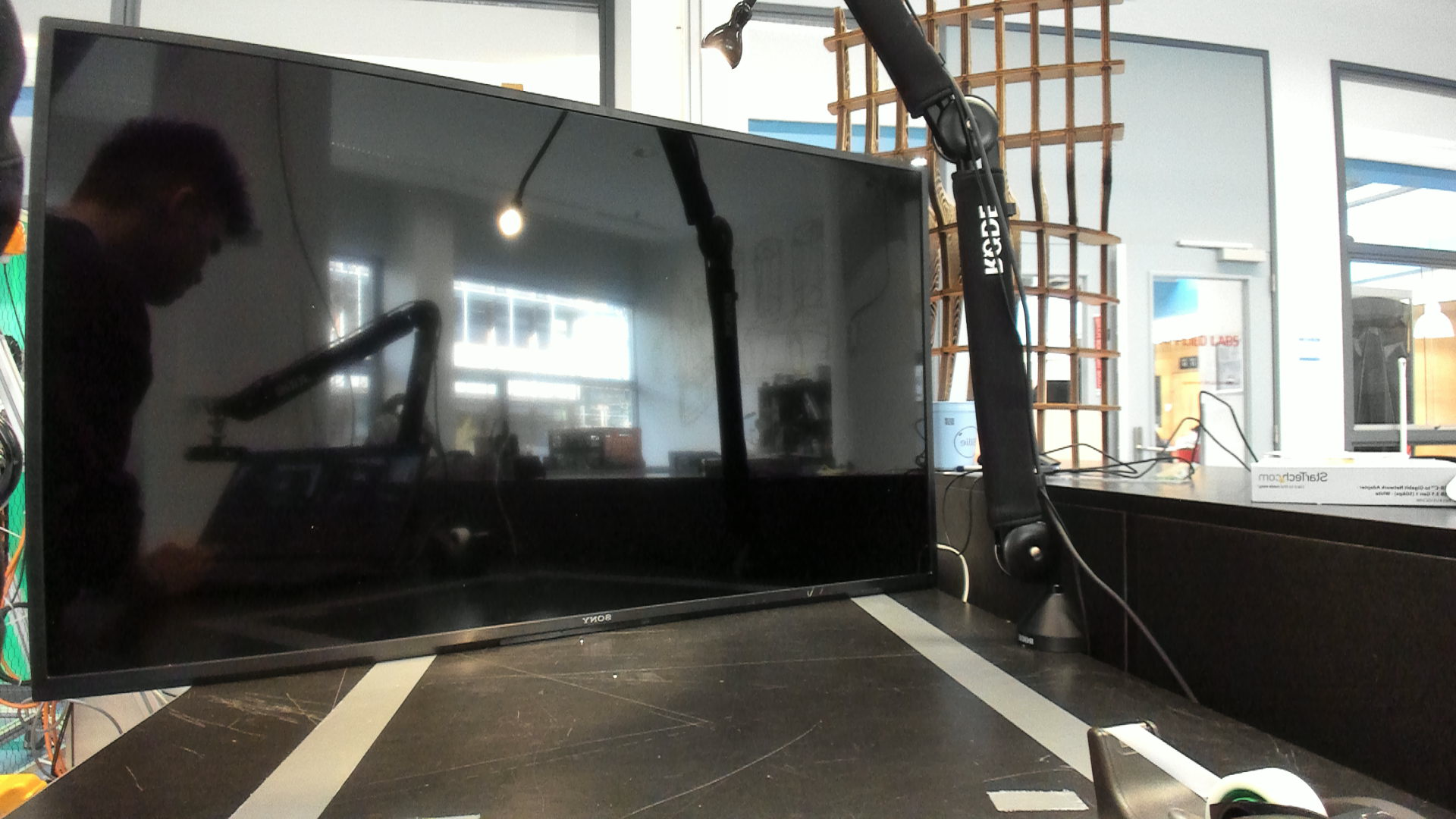
The starting point for this project was a Sony Bravia Smart TV, which was taken apart non-destructively in a explorative manner.
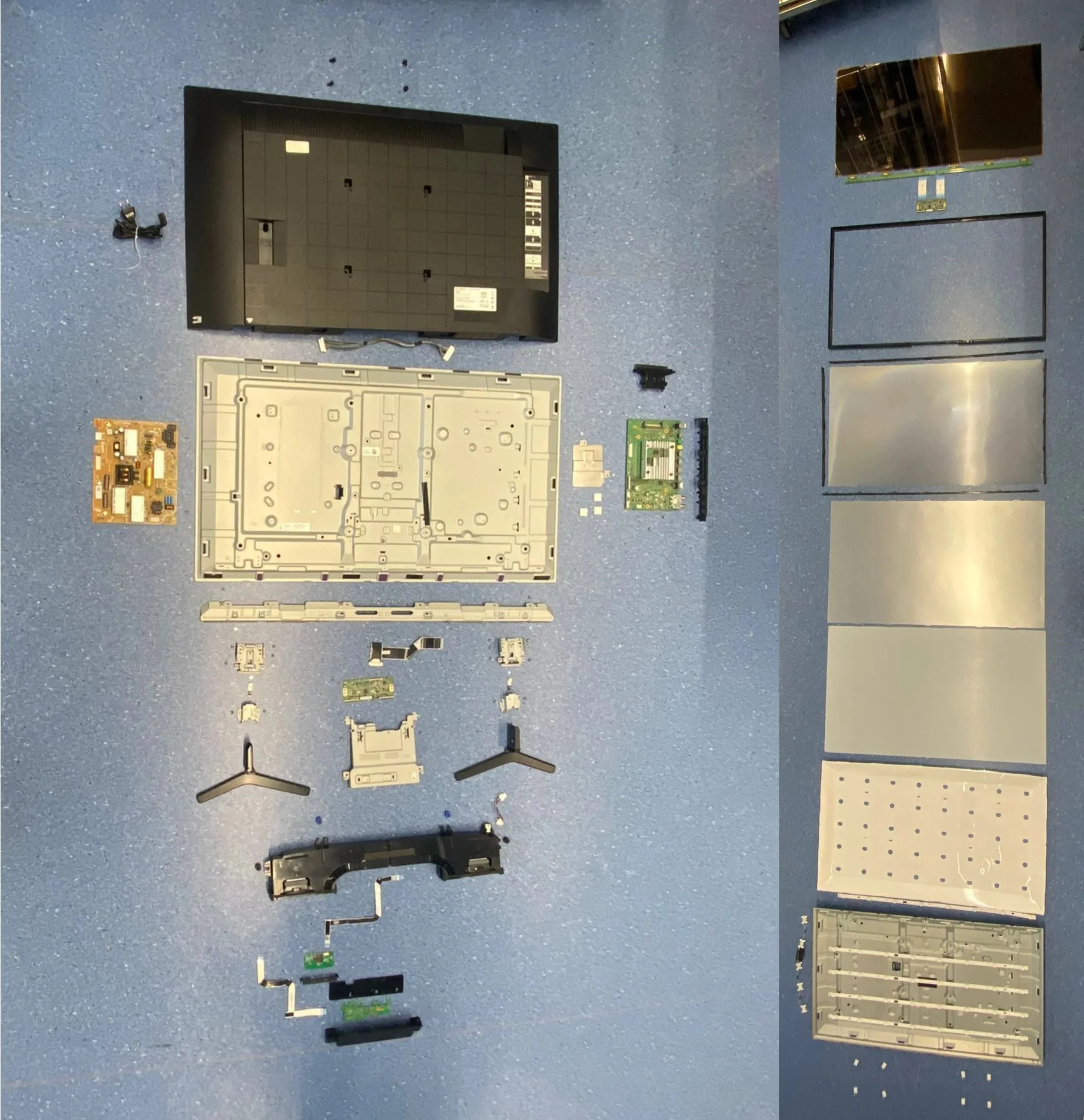
The manual disassembly resulted in the total disassembly as shown in the knolled picture.
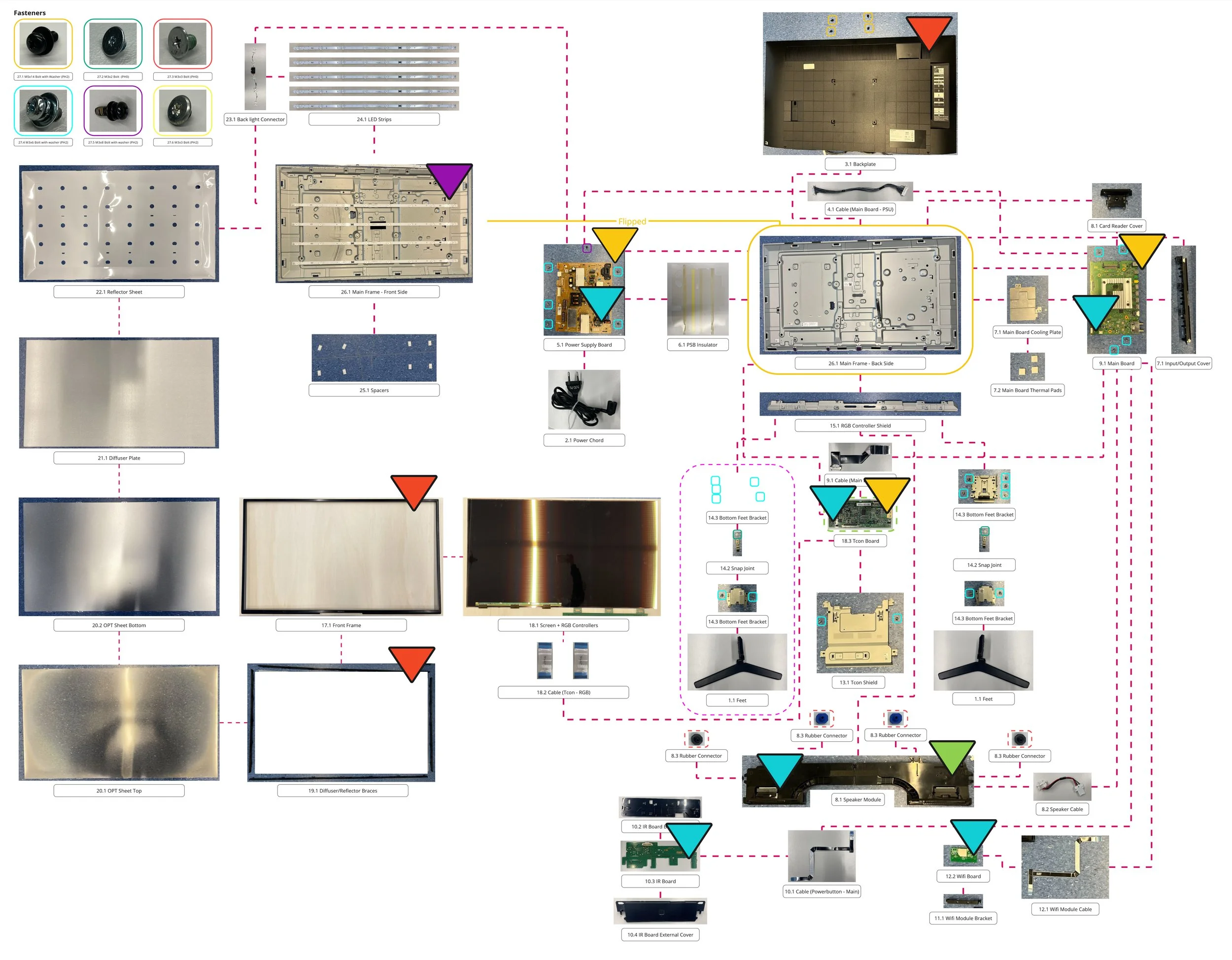
A disassembly map was created to map the product architecture connections. This map highlighted the points of interest to tackle.
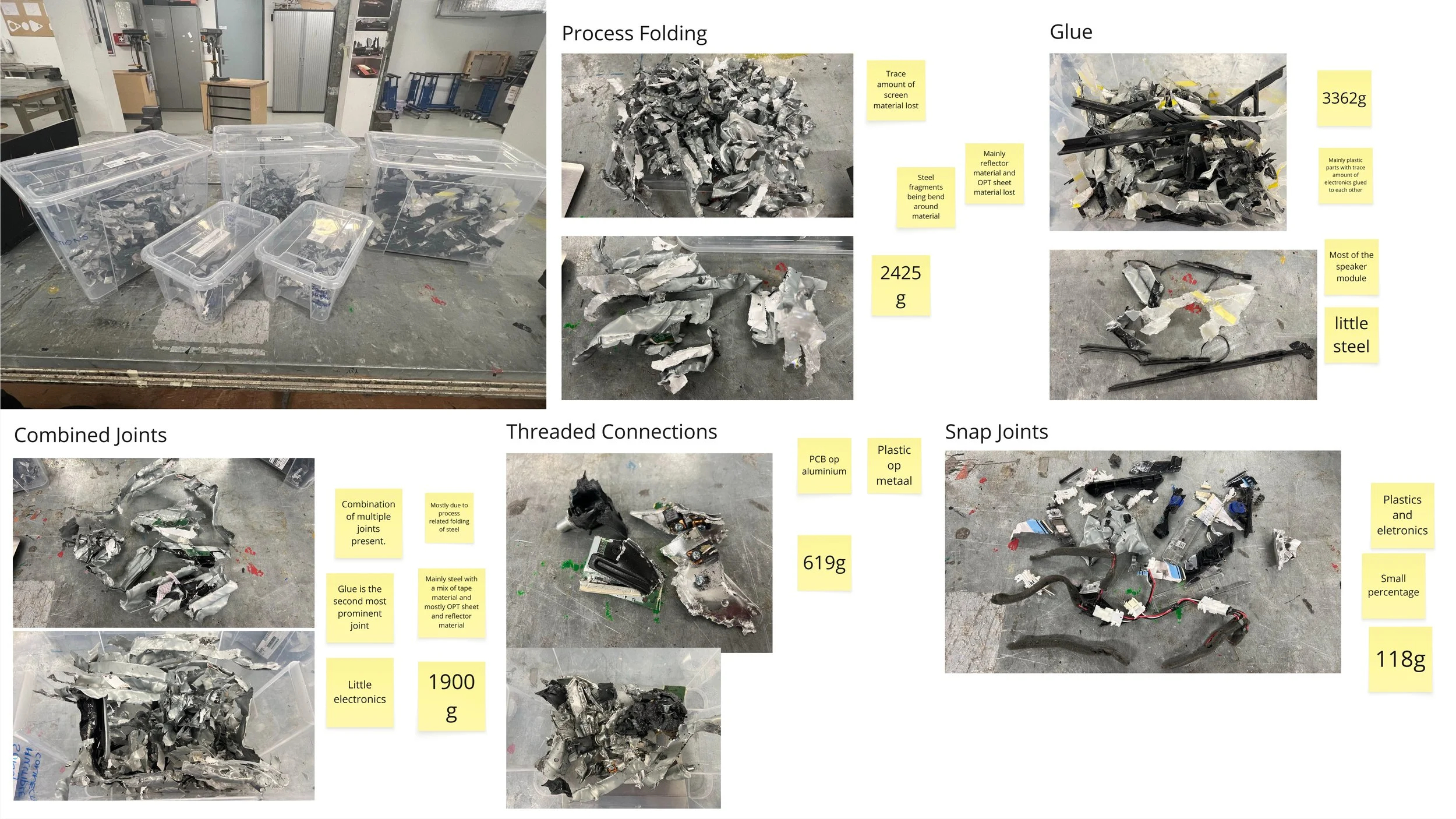
In parallel to the manual disassembly research, we conducted research into the shredding. Where the materials from a shredded Smart TV were sorted and clumps were identified.
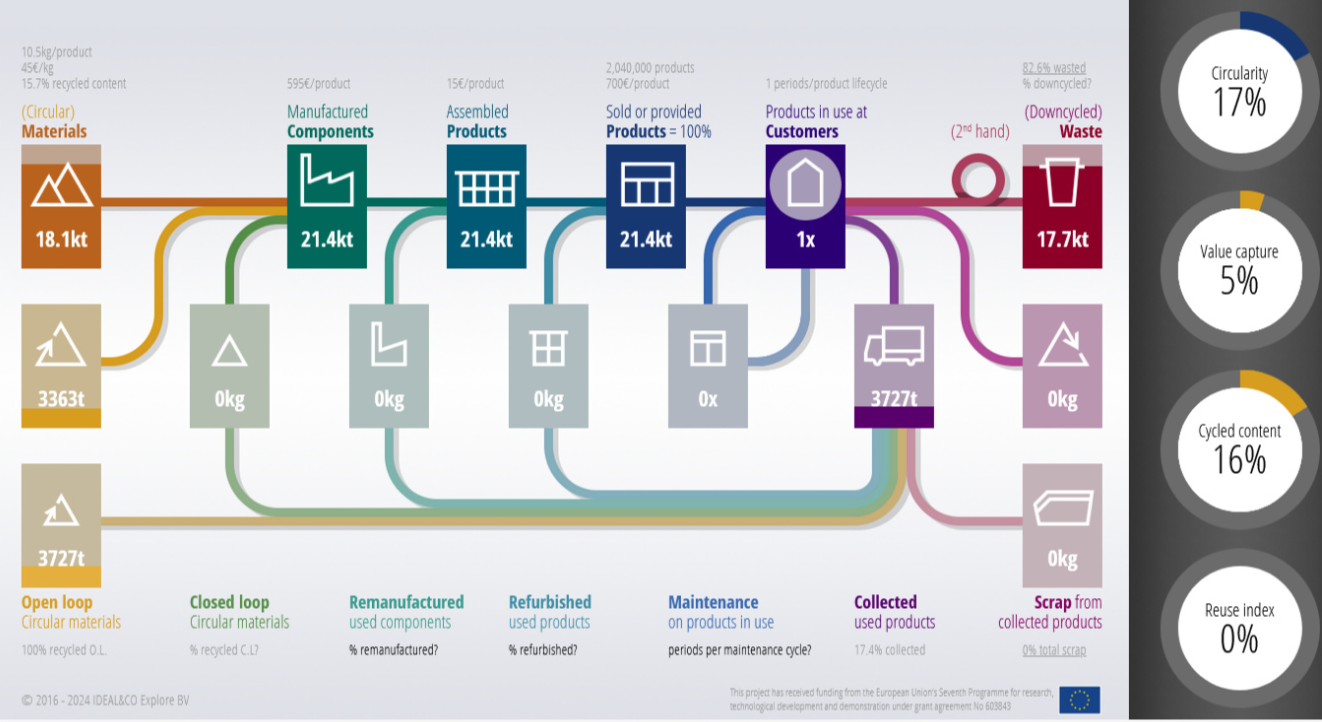
The circularity of the entire lifecycle of the product was analyzed through a circularity calculator.
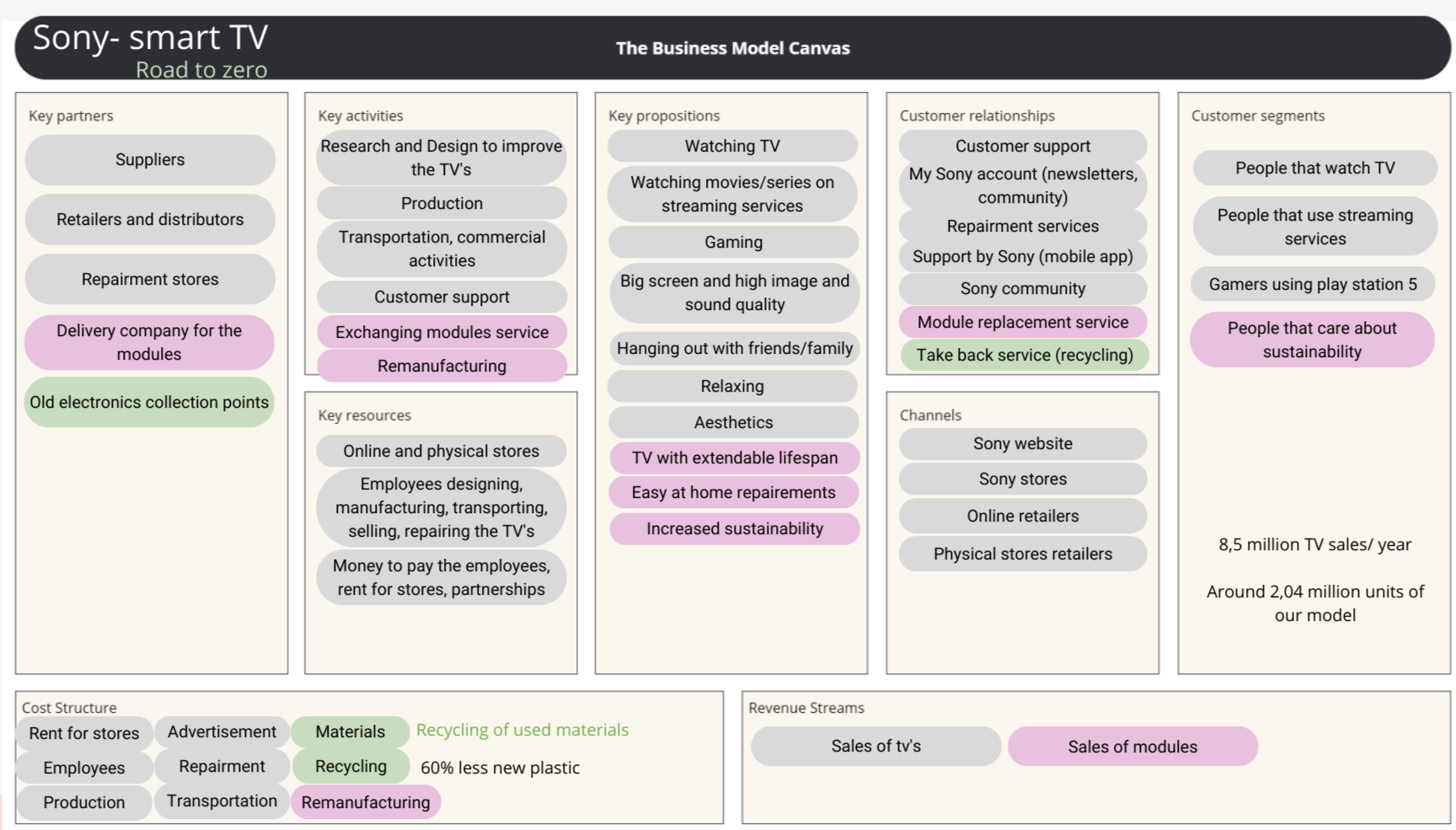
The business model to make circularity possible was analyzed using the business model canvas.
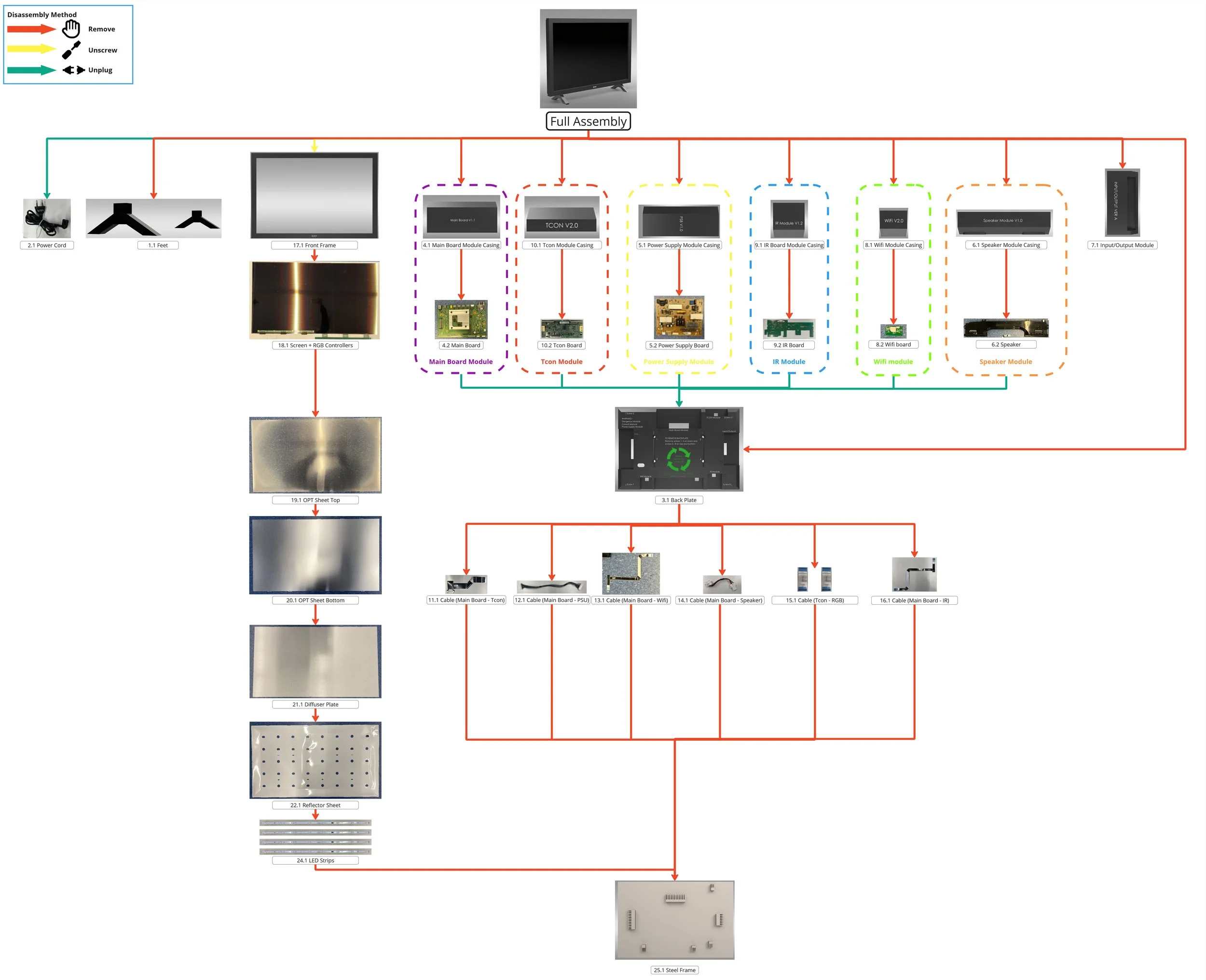
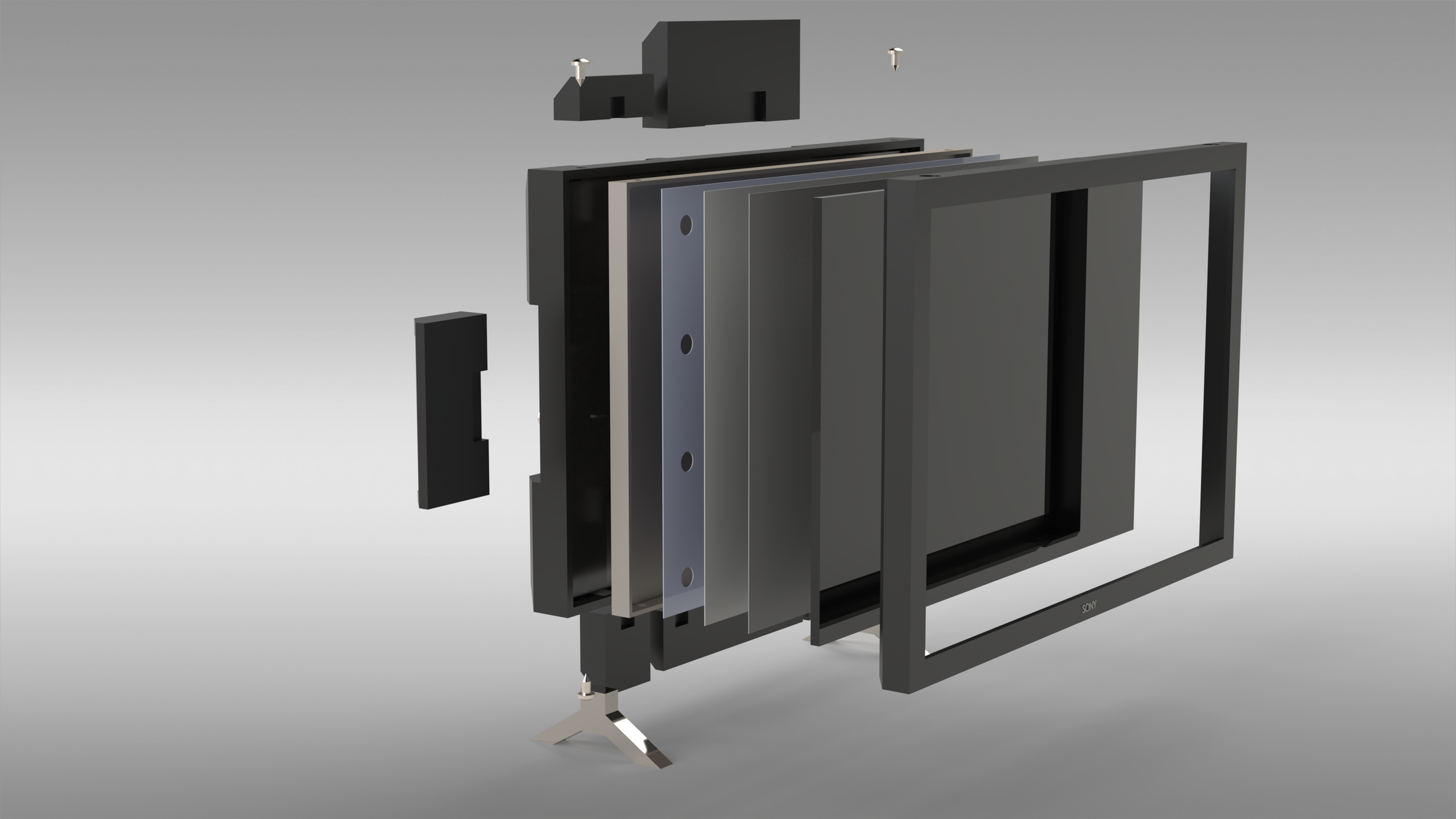
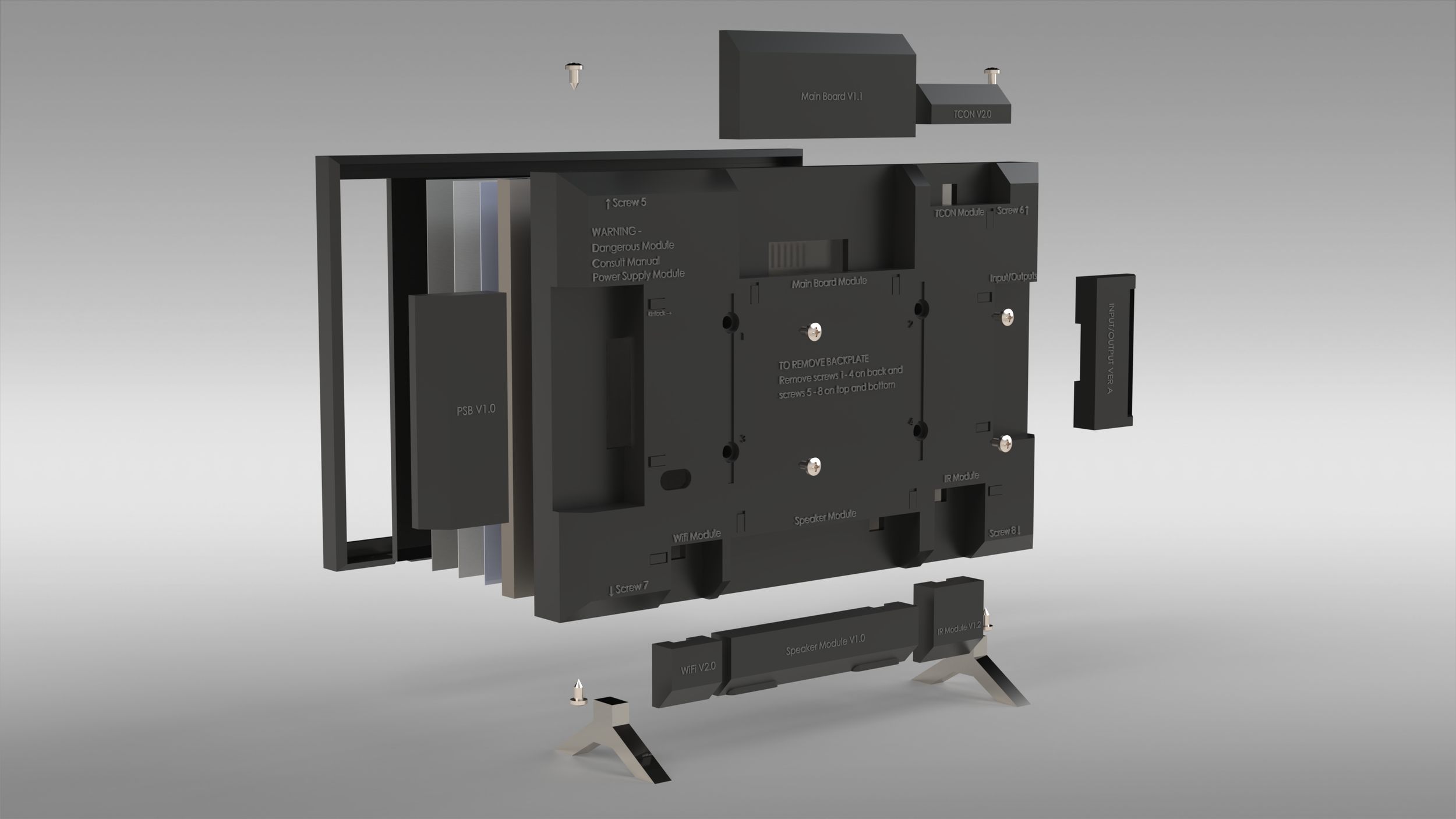
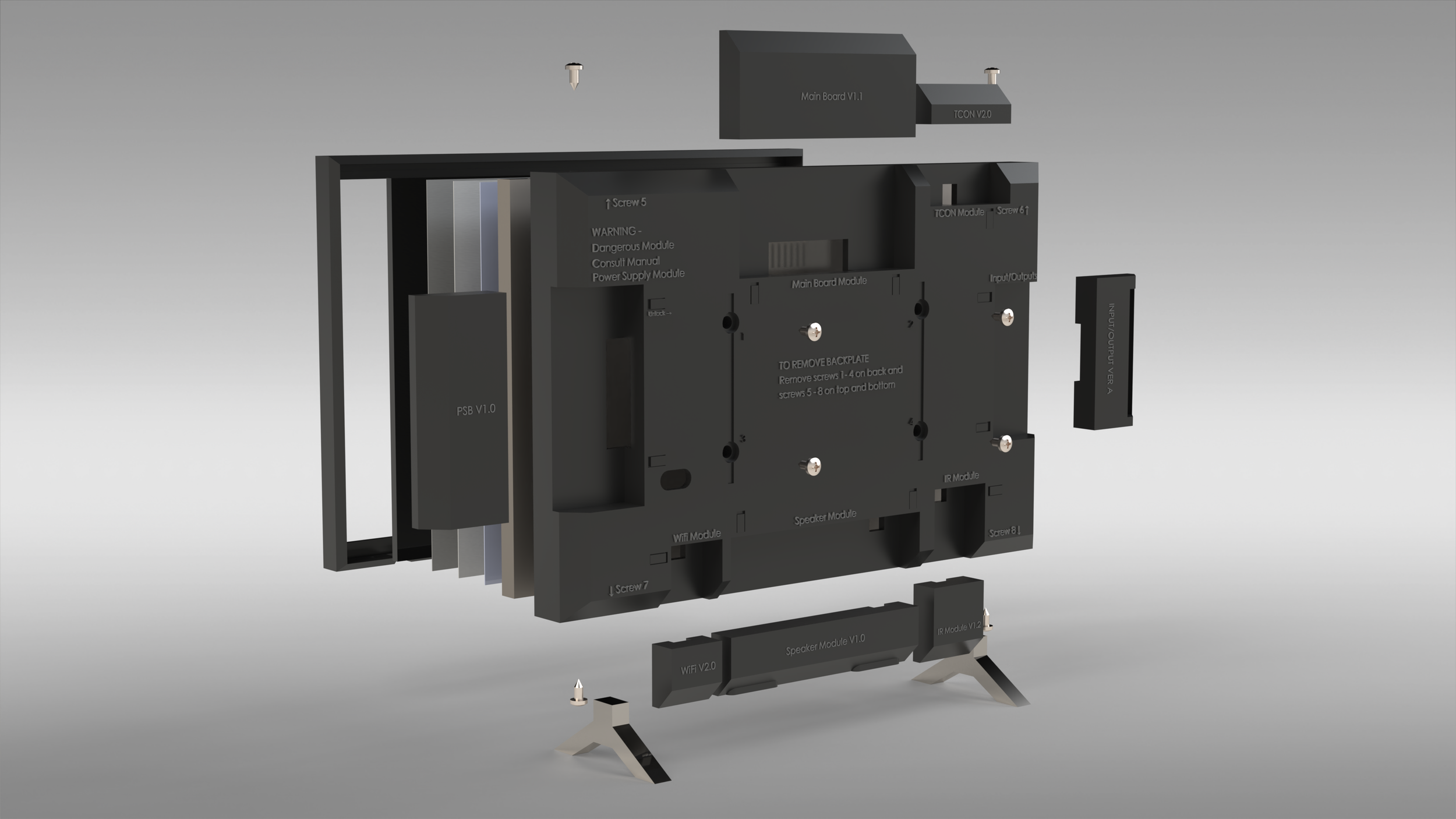
Using the knowledge from the disassembly map and hotspot mapping, a new product architecture was designed to improve repairability through reducing parts, modularization, repair friendly connections and simplified product architecture.
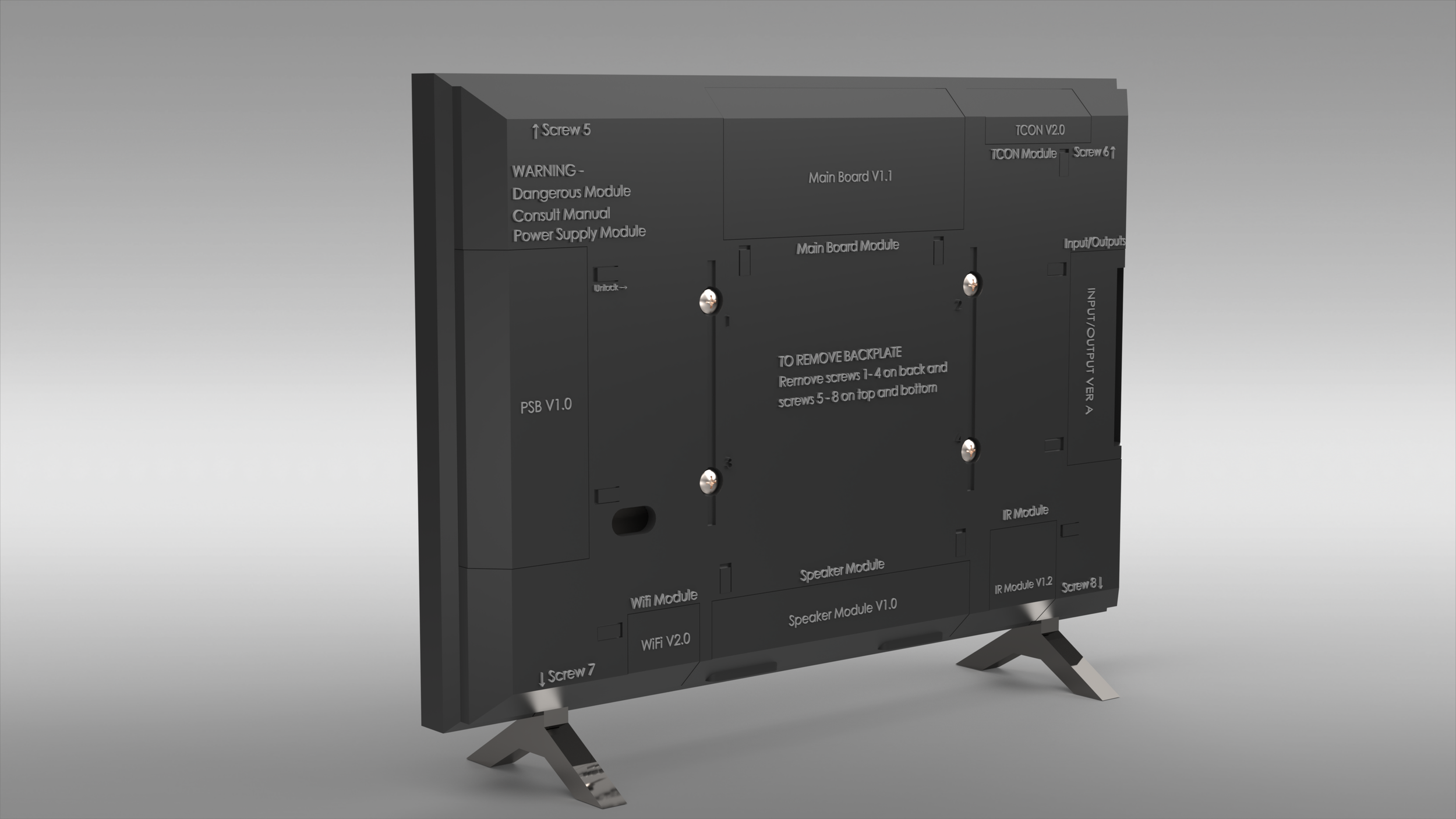
The final design is presented in this render. Where the paradigms for repair and recycling coexist in the redesign of the Sony Bravia TV for circularity.
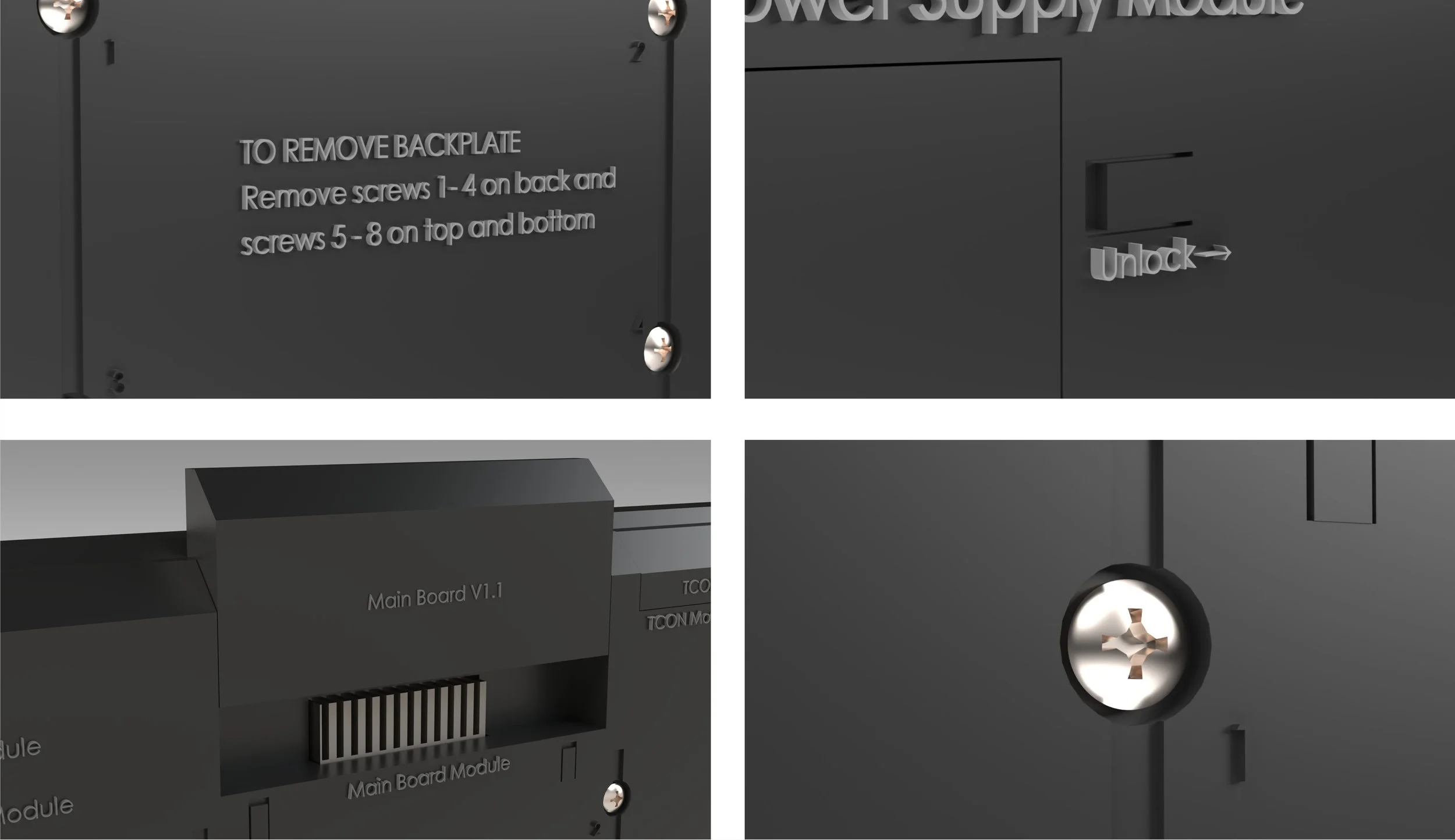
The design features embossed instructions for user to help manual disassembly for repair and refurbishment. Additionally, user friendly connections, such as spring loaded latches increase accessibility. The modules that are easily accessible allow for easier repair and upgrades. Finally, the special grooves at screw locations facilitate better shredding for recycling.